Imagine placing your biggest inventory order of the quarter, only to find out your shipment is stuck, with no clear timeline for delivery and a surprise surcharge waiting in your inbox. That's the reality facing thousands of small business owners right now, and it has nothing to do with anything you did wrong.
A major disruption in one of the world's most critical shipping corridors, the Strait of Hormuz, has sent shockwaves through global supply chains. If your business sources products from Asia, the Middle East, or Europe, this affects you. Here's what's happening, what it means for your bottom line, and what you can do about it today.
What Is the Strait of Hormuz — and What Happened?
Think of the Strait of Hormuz as the world's most important shipping highway — a narrow, 21-mile-wide waterway connecting the Persian Gulf to the wider ocean.
Key facts about why it matters:
- Roughly 20% of the world's oil and gas passes through it
- A critical corridor for container shipping, with major hubs like Jebel Ali serving global trade routes
- When it closes, effects ripple outward to warehouses, storefronts, and e-commerce shops worldwide
What Happened?
In late February 2026, following military escalations in the region, Iran's Revolutionary Guard issued warnings prohibiting commercial vessel passage and began attacking ships that attempted to transit.
The shipping industry responded fast:
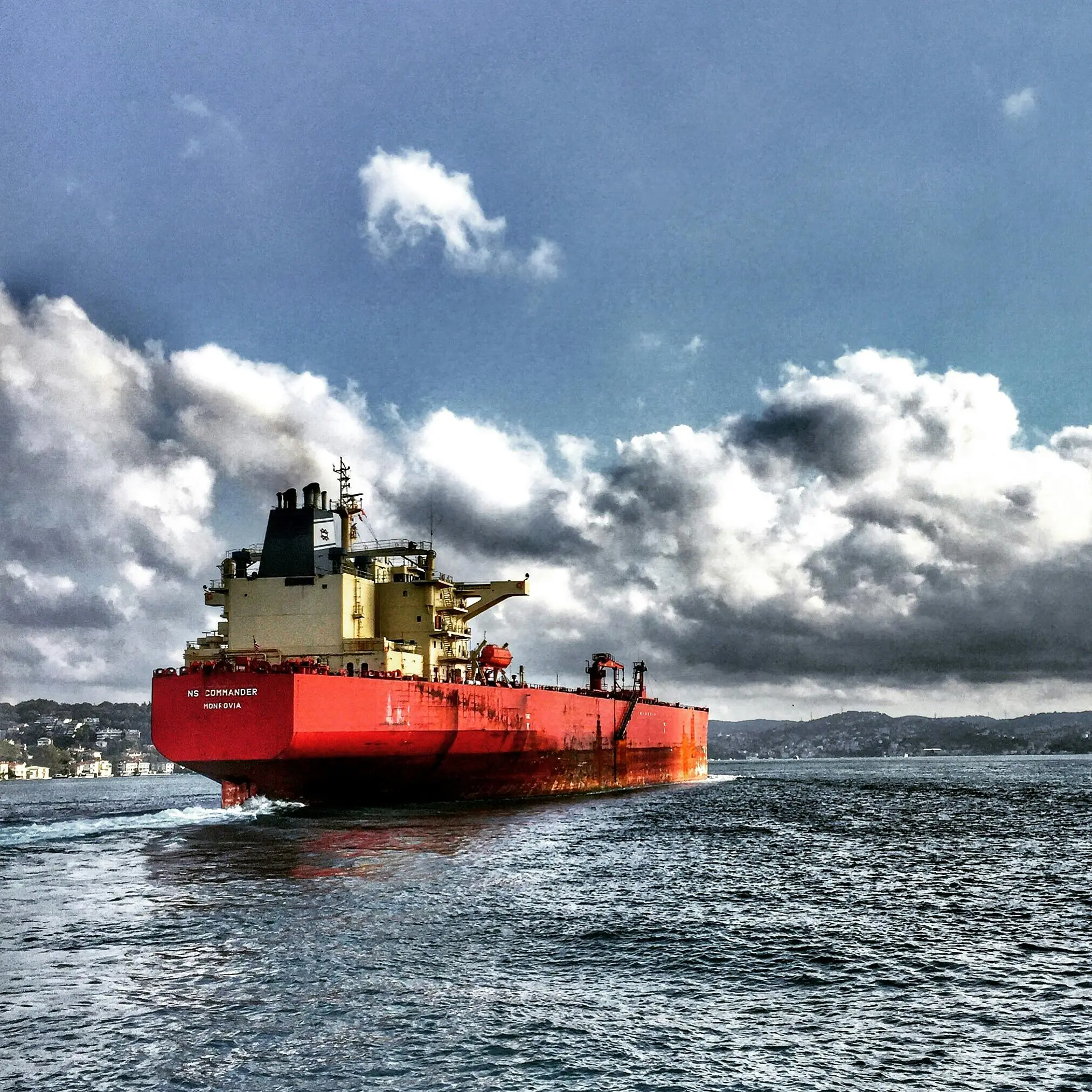
- Traffic has ground to a near-complete halt — only two commercial transits confirmed in a single 24-hour window
- Over 147 container ships are sheltering inside the Persian Gulf, unable to move
- Major carriers — Maersk, MSC, CMA CGM, Hapag-Lloyd, and COSCO — have restricted or halted bookings through the region
How This Hits SMBs
This is where it gets real. Large enterprises have dedicated logistics teams, long-term carrier contracts, and the capital to absorb shocks. Most SMBs don't have that cushion — which means staying ahead of this matters a lot more for you than it does for the big players.
1. Delays — Longer Than You'd Expect
Vessels that would normally transit the Strait of Hormuz are rerouting around the Cape of Good Hope — the southern tip of Africa. That detour alone adds 10 to 14 days per shipment. If your suppliers are in South or Southeast Asia, or your goods connect through Middle Eastern ports, expect your lead times to stretch considerably.
2. Higher Shipping Costs
Longer routes mean higher fuel costs. Fewer vessels mean tighter capacity. And tighter capacity means carriers can charge more — and they will. Freight rate surcharges are already appearing on key lanes, and for SMBs operating on thin margins, even a moderate spike can flip a profitable product category into a loss.
3. Port Congestion Downstream
Here's something that catches a lot of businesses off guard: even after vessels reroute, congestion tends to pile up at destination ports when diverted ships arrive in waves. That means customs delays, slower drayage, and unpredictable last-mile delivery. The real pressure typically hits 2 to 5 weeks after the initial disruption — so in some ways, the worst is still ahead.
4. Product-Specific Pressure
Some categories are more exposed than others. Electronics, batteries, pharmaceuticals, plastics, rubber goods, and petrochemical-derived products are particularly vulnerable. Dry bulk commodities like iron ore and aluminum have been hit hard too, with transits in the region having fallen by over 90%. If your catalog touches any of these, audit your supplier base now — not next week.
5. Price Creep That's Hard to Explain
Higher shipping and input costs eventually work their way into retail prices. Raising prices is never easy, especially when customers can't see why. Getting ahead of this narrative now — before costs spike — is far better than scrambling to justify it later.
What You Should Do Right Now
The businesses that weather supply chain disruptions best aren't necessarily the biggest — they're the most adaptable. Here's a practical playbook to help you stay ahead.
1. Audit Your Supply Chain Exposure
Start by mapping where your products actually come from. Which suppliers are in the Gulf region or ship through it? Which SKUs have the longest lead times? Once you know your vulnerabilities, you can prioritize which fires to put out first.
2. Talk to Your Customers Before Delays Hit
Proactive communication is one of the highest-ROI things you can do right now. Update your estimated delivery windows, and send a brief note to customers with open orders. You don't need to mention geopolitics — a simple "global shipping disruptions are affecting transit times, here's what to expect" goes a long way. Customers who feel informed are far more forgiving than customers left in the dark.
3. Diversify Your Carrier Mix
If you've been leaning on a single carrier or route, now is the time to branch out. Different carriers are responding to this crisis differently — some have rerouted, some have paused bookings entirely, and some are still operating with caveats. Having access to multiple options means you're not stuck when one lane dries up.
4. Consider Air Freight for High-Priority Goods
For high-margin or time-sensitive products, air freight may make more sense right now than waiting on a delayed ocean shipment. Yes, it costs more — but weighed against a stockout or a lost wholesale order, the math can work out. Run the numbers for your most critical SKUs before writing it off.
5. Review Your Shipping Insurance
War-risk insurance has been pulled for much of the affected region, meaning many shipments are moving with reduced or no coverage. Check what your current policy actually covers for in-transit goods. If you're underinsured, this is the moment to fix it — not after something goes wrong.
6. Buffer Your Inventory
If you can, bring your next order cycle forward. An extra 3 to 4 weeks of safety stock on your best-selling products could be the difference between staying operational and facing a costly stockout. Avoid just-in-time assumptions for at least the next 60 to 90 days.
7. Watch Freight Rates and Lock In Where You Can
Rates are volatile right now. Where you have the option to lock them in, it may be worth doing — especially if you have predictable shipping volumes. That said, stay flexible. The situation is still evolving, and conditions can shift quickly.
The Bottom Line
Supply chain disruptions of this scale are a reminder that global shipping is more fragile than it appears on a normal day — and that SMBs need tools that help them adapt, not just react. The businesses that come out ahead won't be the ones who waited to see what happened. They'll be the ones that diversified their options, communicated early, and made smarter logistics decisions under pressure.
Easyship is built for exactly these moments. Compare live rates across 550+ courier services, manage your shipments in one place, and keep your deliveries moving — even when global routes get complicated. Get started with Easyship for free today.
FAQ
Will my shipments definitely be delayed?
Not every shipment will be affected equally. If your goods originate in or transit through the Persian Gulf, South Asia, or East Africa, expect delays. Shipments on Pacific or intra-Americas lanes may see less direct impact, though broader capacity effects can ripple globally.
How much more will I pay for shipping?
It depends on your lane and carrier. Spot rates on affected routes have already risen sharply, and surcharges are appearing across multiple carriers. The best move is to compare rates across carriers in real time rather than assuming your usual option is still the most competitive.
Should I switch to air freight entirely?
Probably not entirely — but selectively, yes. Air freight makes the most sense for high-margin, low-volume, or time-sensitive goods. For heavier or lower-margin products, the economics usually don't support a full switch. Focus on your most critical SKUs first.
How do I explain delays to my customers without getting into the geopolitics?
Keep it simple. Something like: "Due to major disruptions in global shipping routes, delivery times are currently longer than usual. We're working to get your order to you as quickly as possible and will keep you updated." Customers appreciate honesty — you don't need to explain the Strait of Hormuz to make them feel taken care of.
How long will this last?
No one can say with certainty. Best case, a partial reopening happens within weeks and conditions normalize through Q2. Worst case, the disruption extends further. Either way, plan your inventory and logistics strategy around at least 60 to 90 days of continued volatility — and adjust as things develop.
.svg)
.svg)




.svg)






.svg)
.svg)
.svg)

.svg)
.svg)