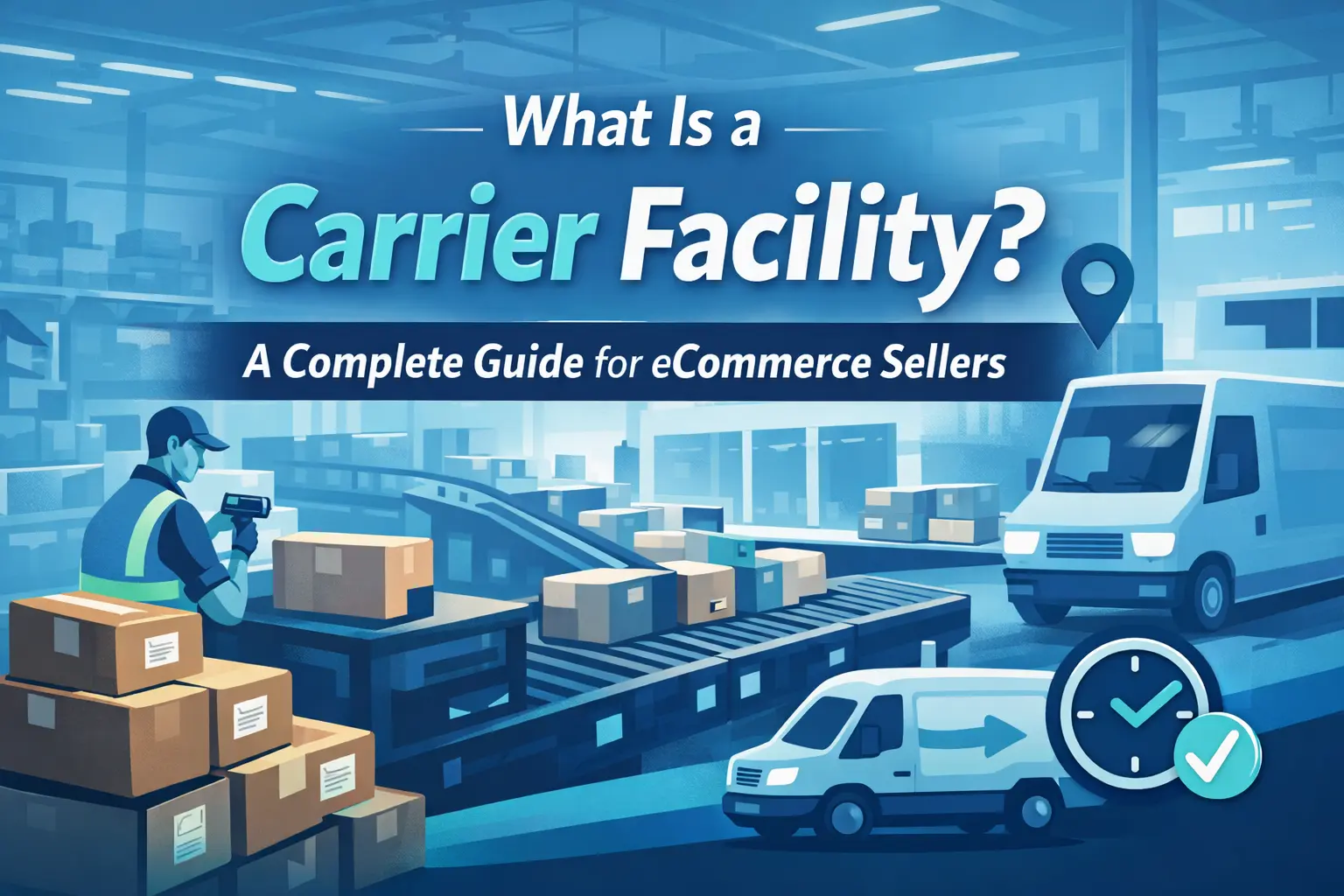
What Is a Carrier Facility? A Complete Guide for eCommerce Sellers
A carrier facility is a logistics hub often managed by courier companies to sort and manage shipments before delivering them to their respective addresses or pushing them to another facility.
A carrier facility is an important part of the fulfillment journey. It is here where packages are sorted before shipped to another facility or to the customers.
Some of the biggest carrier facilities are owned by USPS, FedEx, DHL, Amazon Logistics, and UPS.
A carrier facility manages 2500 to 10,000 shipments per day.
It is crucial for a business owner because it streamlines the delivery journey, improves speed & accuracy, improves real-time tracking and often manage high volume packages.
Sometimes, the delays happen because of weather issues, transportation breakdown, or staff shortages.
If you’ve ever tracked a package and seen the update “Arrived at Carrier Facility,” you might wonder what it means. For many small to medium eCommerce businesses, understanding carrier facilities helps manage shipping, customer expectations, and fulfillment more effectively.
This guide explains what a carrier facility is, why it matters, and how it fits into shipping. Whether you ship 100 or 2,500 packages monthly, this post will clarify this key step in the delivery process.
What Is a Carrier Facility?
A carrier facility is a logistics hub run by shipping companies like FedEx, UPS, USPS, DHL, or Amazon Logistics. Packages reach these hubs after leaving the seller’s warehouse or fulfillment center. At the facility, packages are sorted and sent to the next destination—another facility or directly to the customer.
Think of a carrier facility as a sorting station on a highway. When a package arrives there, it’s scanned, sorted by destination, and sent onward. For eCommerce sellers, this update means the package is moving through the shipping network.
The network usually includes:
The fulfillment center where the package is packed.
To a carrier facility that sorts and sends it on.
To another facility closer to the customer or to a local delivery hub.
Then to the customer’s doorstep.
For instance, if you run a Shopify store selling handmade jewelry and ship mainly with USPS, a package sitting at a carrier facility for three days during the holidays can quickly turn into multiple “Where is my order?” emails. Understanding what happens at carrier facilities and when delays are normal helps you respond confidently, set expectations, and avoid unnecessary refunds or chargebacks.
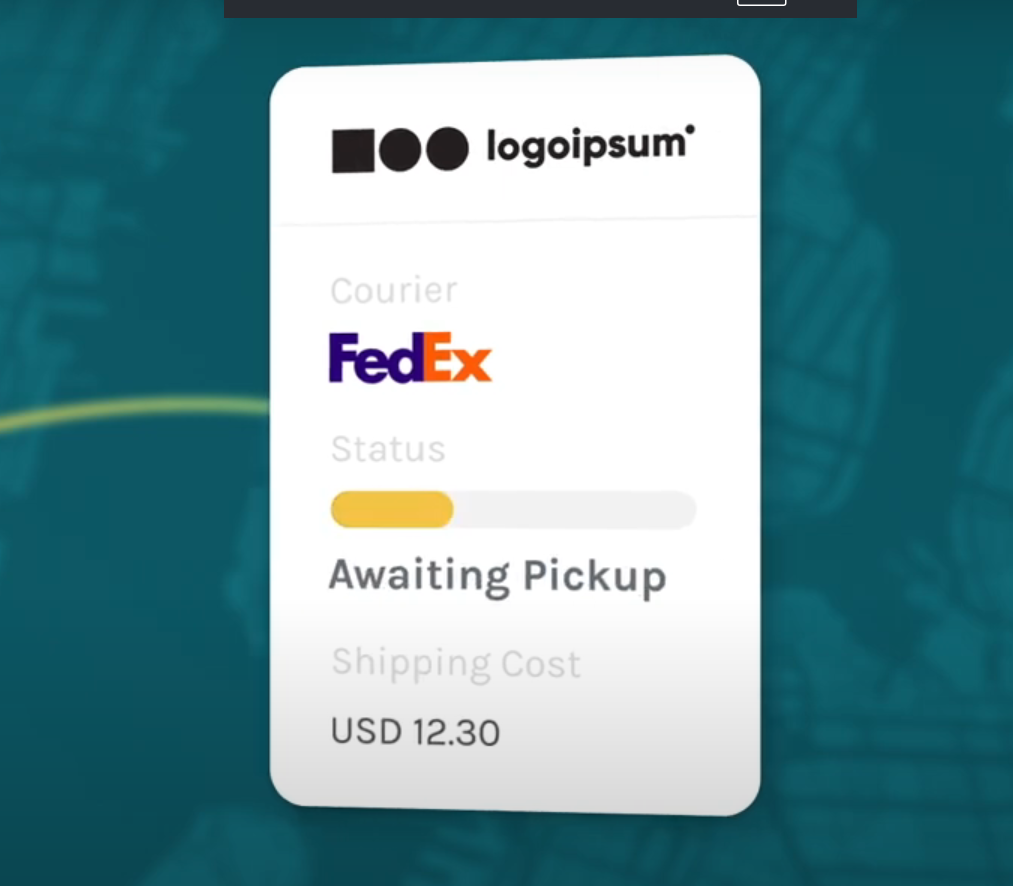
If you want to know the exact whereabouts of your package, you can also try Easyship’s tracking feature. It allows you to know where your package is, is it in the packing stage, when it left the facility, and much more so that you and your customer can breathe a sigh of relief.
Why Carrier Facilities Matter for eCommerce Sellers
Carrier facilities aren’t just waypoints—they’re essential to the fulfillment process and customer satisfaction.
Speed Up Delivery Routes: A well-run delivery company network ensures outbound packages get through quickly, even during peak shipping times. Facilities like UPS carrier facility or Amazon Sortation Centers enhance efficiency by quickly moving goods closer to their designated locations.
Improve Real-Time Tracking: Facilities update tracking information during each transfer. Accurate real-time tracking helps eCommerce businesses provide timely updates and reduces “Where’s my order?” inquiries.
Support Smooth Flow During High Volumes: Facilities play a pivotal role in managing last mile delivery during busy seasons. Knowing how they operate enables better planning and improves the customer experience.
How a Carrier Facility Works: Step-by-Step
When you see a tracking update that your package has “arrived at a carrier facility,” you might wonder what actually happens behind the scenes. Carrier facilities are busy hubs where your package moves through several key stages before continuing on its journey to you. Understanding these steps can help eCommerce sellers and customers alike appreciate the complexity and care involved in shipping. Below is a clear breakdown of what happens inside a carrier facility from arrival to dispatch.
Arrival and Unloading
When packages reach a carrier facility, they first arrive by delivery trucks coming from warehouses, fulfillment centers, or other carrier hubs. These trucks unload their cargo at designated docks. This step is crucial because it begins the package’s transition from one part of the shipping network to the next. Efficient unloading ensures packages are processed quickly, reducing bottlenecks. For small to medium eCommerce sellers, timely unloading means faster movement through the shipping network and more accurate delivery estimates for customers.
Scanning
Once unloaded, each package is scanned using barcode or QR code technology. This scanning updates the carrier’s tracking system in real time, allowing both sellers and customers to see the package’s current location and status. Scanning is essential for accurate tracking and prevents packages from getting lost or misplaced. For eCommerce businesses, this visibility helps improve customer communication and reduces inquiries about shipment status.
Sorting
After scanning, packages move to the sorting area, where they are organized based on destination and delivery routes. Modern facilities often use conveyor belts and automated sorting machines or robots to speed up this process. The sorting step ensures packages are grouped efficiently, optimizing delivery routes and minimizing delays. For merchants shipping large volumes, sorting efficiency directly impacts delivery speed and customer satisfaction.
Loading
Once sorted, packages are loaded onto delivery vehicles like trucks or vans. This loading process must be done carefully to match the delivery routes planned during sorting. Proper loading helps drivers deliver packages in the most efficient order, saving fuel and time. For online sellers, accurate loading translates into smoother last-mile delivery, which is often the most expensive and complex part of the shipping process.
Dispatch
After loading, delivery vehicles leave the carrier facility to begin the next leg of the journey—either heading to another facility closer to the destination or directly to the customer’s address. During dispatch, tracking systems are updated again to notify recipients that their package is on the move. This final step in the carrier facility workflow ensures continuous movement and timely delivery.
Types of Carrier Facilities
Not all carrier facilities are the same. Each type serves a specific role in the shipping network, helping packages move efficiently through different stages of their journey. Knowing the differences can help eCommerce merchants better understand how their orders are handled and why some shipments take certain routes. Here’s a look at the main types of carrier facilities and what each does.
Regional Hubs
Regional hubs are large sorting centers that handle packages coming from a wide geographic area. These facilities consolidate shipments and organize them for distribution to smaller, local centers. For eCommerce sellers, regional hubs help manage high package volumes efficiently, ensuring shipments continue moving quickly across longer distances.
Local Distribution Centers
Local distribution centers are smaller facilities located near delivery destinations. They receive packages from regional hubs and prepare them for the final delivery leg. These centers focus on last-mile delivery logistics, helping reduce shipping times and improve customer satisfaction.
Cross-Docking Facilities
Cross-docking facilities specialize in transferring packages quickly from one truck to another without storing them. This approach reduces handling time and speeds up delivery, which is especially useful during peak seasons or for time-sensitive shipments.
Return Centers
Return centers handle the reverse flow of packages — items sent back by customers. These facilities inspect, sort, and route returns either back to sellers for restocking or to refurbishment centers. For eCommerce businesses, efficient return processing helps maintain customer trust and operational flow.
Here are some of the busiest carrier facilities by popular service providers:
FedEx
FedEx Memphis SuperHub: One of the largest FedEx regional hubs, processing millions of packages daily and serving as a central point for sorting and routing shipments across the U.S. and internationally.
UPS
UPS Worldport (Louisville, KY): UPS’s massive air and ground hub that functions as a global sorting facility, connecting shipments worldwide and ensuring quick transit times.
UPS Returns Centers: Specialized facilities dedicated to handling returns, inspecting packages, and routing them back to sellers or warehouses.
USPS
USPS Network Distribution Centers: Large regional facilities that sort and route mail and packages across states, preparing shipments for local delivery offices.
USPS Local Post Office Distribution Centers: Smaller centers near final delivery areas that organize packages for last-mile delivery.
Amazon
Amazon Fulfillment Centers: Large warehouses where products are stored, picked, and packed for shipment.
Amazon Sortation Centers: Facilities where Amazon sorts packages by final destination to speed up delivery.
Amazon Cross-Dock Centers: Facilities where inbound shipments are quickly transferred to outbound vehicles without storage to accelerate delivery.
Why Delays Occur at Carrier Facilities—and How to Manage Them
Delays at carrier facilities are frustrating but sometimes unavoidable. Understanding common causes helps merchants prepare and keep customers informed. Here are the main reasons delays happen and tips to manage them effectively.
High Package Volumes
During holidays or big sales, carrier facilities receive a flood of packages. This increased load can slow sorting and shipping.
Weather Issues
Storms, snow, and other weather problems disrupt transport and processing schedules, causing delays.
Staff Shortages
Fewer workers due to illness or other issues can reduce facility capacity and slow package handling.
Customs Clearance
International shipments must clear customs, which can add unexpected delays outside the carrier’s control.
To manage delays, here’s what you need to:
Monitor Tracking Updates
Regularly check tracking statuses to identify delays early. This helps you act quickly if a package is stuck or not moving as expected.
Inform Customers About Delays Early
Proactively notify customers about potential or ongoing delays. Clear communication builds trust and reduces customer frustration.
Use Multiple Carriers to Reduce Risk
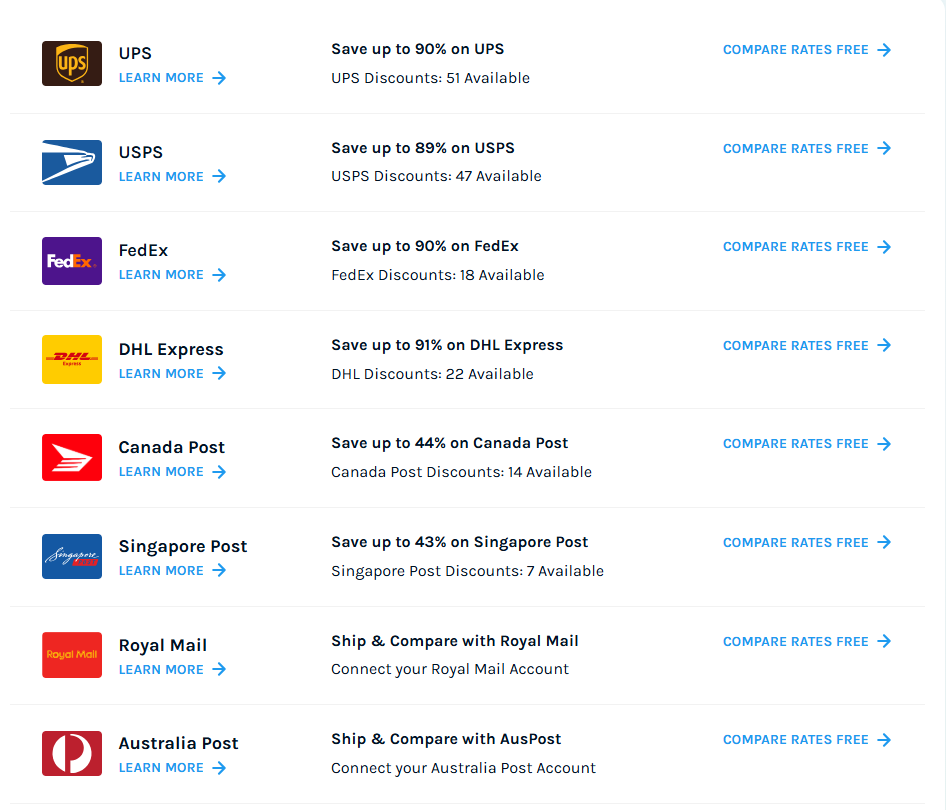
Relying on more than one shipping carrier prevents all shipments from being affected by a single carrier’s disruption or delay. Easyship’s multi-carrier solution allows you to choose from different courier options for your various shipments and minimize the risk of putting all your eggs in one basket.
Use Software to Spot Issues and Automate Updates
Shipping management tools can flag delayed packages automatically and send timely updates to both you and your customers.
Set Realistic Delivery Times During Busy Periods
Adjust your estimated delivery dates during holidays or sales spikes to avoid disappointing customers with unrealistic expectations.
How Technology Improves Carrier Facilities
Technology helps carrier facilities handle packages quickly and accurately:
Barcode scanning updates tracking at every step
Barcode scanners read a package’s unique ID at every transfer point, automatically updating its tracking status in real time. This helps customers stay informed and gives sellers more control over the delivery experience.
Automated sorting systems speed up package handling
Carrier facilities use conveyor belts and robotic arms to scan and sort thousands of packages per hour. This reduces human error and speeds up the entire shipping process, especially during peak seasons.
Data analytics predict busy times and staffing needs
Using historical trends, facilities can forecast spikes in shipments (like holiday sales) and plan ahead with extra staff or extended shifts. This prevents slowdowns and keeps deliveries on track.
Platform integrations let sellers sync orders and track shipments easily
When a shipping software (like Easyship) connects with a carrier’s system, it allows real-time order syncing, label generation, and end-to-end tracking. This automation saves time for sellers and provides a smoother experience for customers
These tools reduce errors, speed deliveries, and improve transparency.
What “Arrived at Carrier Facility” Means for Customers
This status means:
The package has reached a carrier hub.
It has been scanned and is awaiting sorting.
It’s moving through the shipping network.
A lack of update after a few days may indicate a delay.
Explaining this to customers helps reduce confusion and builds trust.
Using Carrier Facility Data to Improve Your Shipping
Tracking data offers insights for better shipping:
Spot frequent delay points to switch carriers or routes.
Adjust delivery promises based on real transit times.
Place inventory closer to major carrier hubs.
Analyze carrier performance to negotiate better terms.
Automate customer updates about shipment status.
Using this data can cut delivery times and costs, and improve customer satisfaction.
Tips to Reduce Delivery Issues Linked to Carrier Facilities
To avoid shipping problems:
Ship early during peak seasons.
Use multi-carrier shipping software to compare options.
Label packages accurately to avoid sorting errors.
Track packages proactively and act quickly on issues.
Educate customers on what carrier facility updates mean.
These steps help orders move smoothly and keep customers happy.
Understanding the package journey, including every carrier facility stop, helps you deliver on promises and build loyalty.
If you want to simplify shipping with rate comparisons and automatic tracking, consider platforms like Easyship.
Easyship’s multi-carrier and comparison feature allows users to compare courier services, their rates and their delivery timelines to make the most cost-efficient decision for their business. Moreover, you also ensure a good CSAT (customer satisfaction) by offering automated tracking that reduces te WISMO (where is my order) tickets and reducing the delivery update back and forth, keeping them in the loop.
Want to know more about how Easyship can help you refine your shipping process, sign up for a free account!
What is a carrier facility? A carrier facility is a logistics hub operated by a delivery company (like UPS, USPS, FedEx, or Amazon) where packages are scanned, sorted, and prepared for the next step in the delivery process.
What is received at a carrier facility? Packages from fulfillment centers, warehouses, or other facilities are received at a carrier facility. These packages are then scanned and sorted by destination for further transportation.
What comes after a carrier facility? After a carrier facility, the package is sent to either another regional or local distribution center, or directly to a local post office or delivery hub for last-mile delivery to the customer’s address.
What does it mean if a package left the carrier facility? It means the package has been processed and dispatched from the facility. It’s now en route to the next destination—either another sorting center or directly to the recipient for final delivery.
TABLE OF CONTENTS
Key points
Key Points:
A carrier facility is an important part of the fulfillment journey. It is here where packages are sorted before shipped to another facility or to the customers.
Some of the biggest carrier facilities are owned by USPS, FedEx, DHL, Amazon Logistics, and UPS.
A carrier facility manages 2500 to 10,000 shipments per day.
It is crucial for a business owner because it streamlines the delivery journey, improves speed & accuracy, improves real-time tracking and often manage high volume packages.
Sometimes, the delays happen because of weather issues, transportation breakdown, or staff shortages.
Get Your Ship Together.
By submitting the form, you agree to receive marketing emails from Easyship.
Save up to 91% on Shipping. Try for free.
Effortlessly compare 550+ courier services with one global account. Instant discounts. Start in minutes.
.svg)
.svg)





.svg)





.svg)
.svg)
.svg)

.svg)
.svg)